Reduce your electricity bills and gain energy independence with Zero Renewables' efficient solar systems.
NZ's Trusted Solar Experts
5-Star Customer Reviews
Solar generation may vary, to get your personalised report on how much you could save, request your free assessment.

Find out more about the 4 steps to start saving money with solar
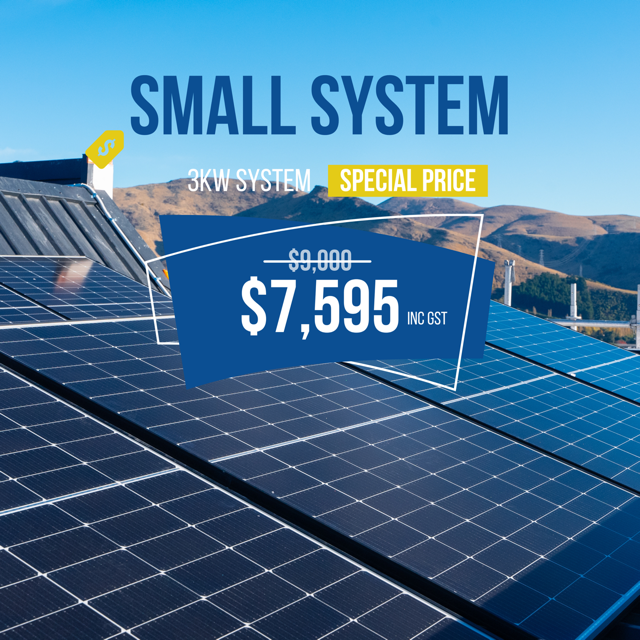
What's in a typical 3kW Solar System?
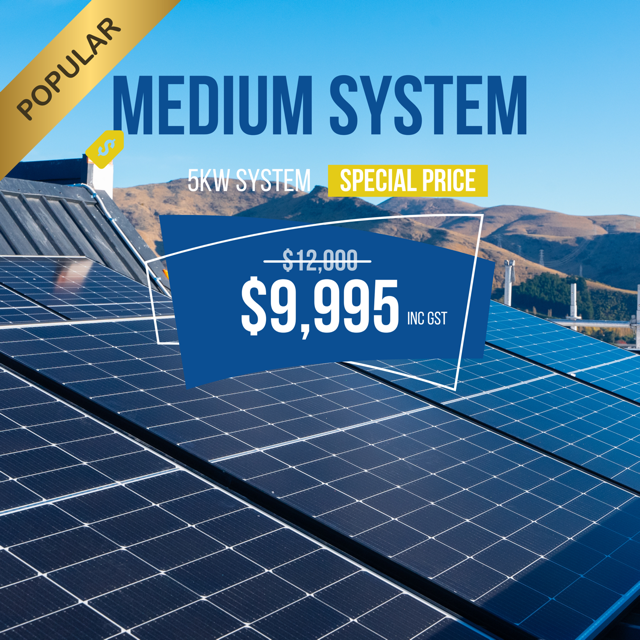
What's in a typical 5kW Solar System?
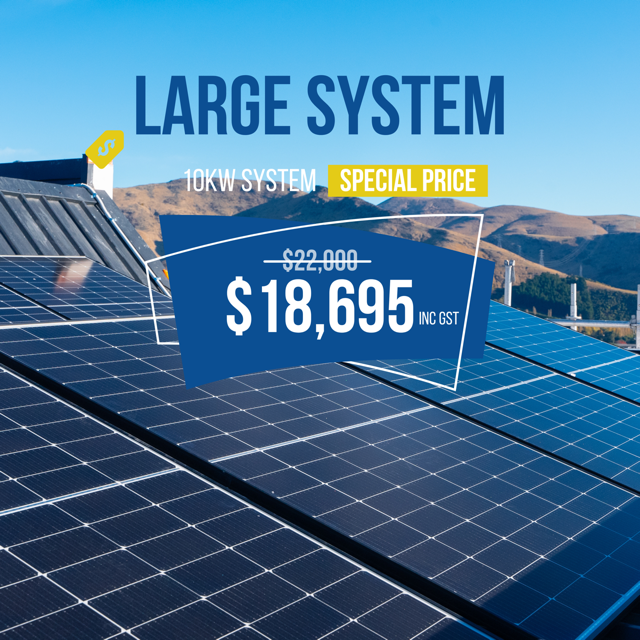
What's in a typical 10kW Solar System?
Monitoring
Panel Warranty
Inverter Warranty
Installation
With the Energizer Solar app you can track how much solar energy you are generating, so you can save energy and money.
"With a large household of 5 adults, my power bills have been hefty in the past. Now, I notice markedly reduced bills – from $19 in the summer to only $320 in the winter.
That's huge for this place! They adhered to their ethos of 'Zero,' ensuring everything was recycled or reused to the best of their ability. I appreciate 'green' values in a company. I fully recommend Zero Renewables when considering adding solar panels to your home."
“Great to deal with, prompt communication and turned up when they said they would. I would definitely use them again and recommend them to others”
“Adam and his team installed my solar system. Excellent workmanship and super tidy for such a big job. I was a picky customer but Adam did everything I asked for. Highly recommend for anyone who is looking for a solar system installer.”
Solar panels capture sunlight and convert it into direct current (DC) electricity. An inverter then changes this DC electricity into alternating current (AC) electricity, which can be used in your home.
Solar panels reduce your electricity bills, decrease your carbon footprint, provide energy independence, and can increase the value of your property.
The cost of solar panels varies based on system size, installation complexity, and available incentives or rebates. On average, a residential solar system
start from $7,990 ex GST.
Most solar panels come with a warranty of 25 years and can continue to produce electricity for 30 years or more, though their efficiency may slightly decrease over time.
Solar panels generate electricity during daylight hours, even on cloudy days, though their efficiency is reduced. At night, solar panels do not produce electricity, so stored energy or grid electricity is used.
Solar panels require minimal maintenance. Regular cleaning to remove dirt and debris and occasional inspections to ensure all components are functioning correctly are typically all that is needed.